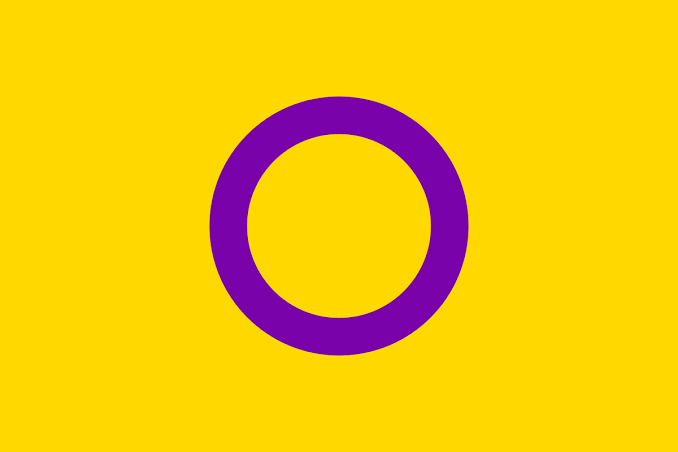
Part 1
First up let me say I’m not a writer. So fair warning this may meander a bit. That being said…
Your baby is finally here! And you’ve just been told by the doctor(s) that there’s a problem. Every prospective new parent’s nightmare. And then they say things like ‘disorder of sexual development’ and ‘not everything is right down there’. Almost immediately they start talking about ‘normalising surgery’, ‘corrective procedures’, and ‘don’t worry, we can fix this’.
Listen to what they say but don’t make any hasty decisions. Don’t let them talk you into anything. I know your first instinct is to follow their advice and do the right thing by your baby. But the right thing is actually to let your kid decide for themselves. Which means waiting until they can make an informed decision. This is going to require some sacrifice on your part. Remember that that’s your kid’s body, not yours. Surgeries on kids too young to consent should only be performed where medically necessary and changing your baby’s genitals to ‘normalise’ them is almost never medically necessary. We’ll get into more detail on that later.
First up you’re probably wondering what to do now? Well take a moment to remember that you more than likely have a completely healthy baby. Their intersex status doesn’t change that. So you might have had a name picked out but now it won’t suit so you might need to go back through your list of names you liked and pick a different one. You might look at your kid and decide on a different name entirely. Friends and family will badger you for name, gender, weight etc but it’s up to you when and what you tell them. Some families will be open and accepting of difference, others won’t be.
Over the next few days they are going to do some tests on your kid like an ultrasound to see if their gonads are ovarian or testicular. They’ll do a chromosomal test to see where your kid sits on that spectrum. This gives you a path to follow. You might have thought you were having a boy or a girl but gender is a spectrum not a one or the other thing. That path is how you choose to raise your kid. You’re going to be expected by society to chose male or female for them. We chose male because our kid has testes and is chromosomally male. If our kid chooses a different path later on we will support that but at the time we went with the information we had.
You’re likely going to have a lot of preconceptions about what intersex is and isn’t, I know I did. I recommend you go watch Me, My Sex, And I. Go ahead, I’ll wait.
All caught up? Good, then we’ll continue.
Those first few days are going to be nerve racking. You’re going to keep wondering if you did something wrong (you didn’t), you’re going to worry that there’s something wrong with your kid (there isn’t), and doctors are going to insist that you start planning for a surgery before your kid is 2 years old (big nope). What you need to focus on is that being intersex is a permanent part of your kid like their hair or their nose. No surgery is going to change that. So move forward with the information you have and raise your kid just like you planned. You just need to factor them being intersex in as well.
If you’re anything like me you’ll overthink a lot of stuff and worry a lot. In part that’s why I’m writing this. It’s not just for you, it’s for me to get a bunch of these thoughts down and out of my head and hopefully help some other parents in the process. Our kid is 6 now so we are only part way through our journey. But we’ve learnt a few things along the way.
First find a doctor you can trust. Anyone who pushes for a cosmetic surgery on a toddler or younger isn’t someone who has yours or your babies best interests at heart. Unless it’s medically required they shouldn’t be pushing for surgery. Don’t agree to let them take photos of you kids genitalia for medical journal or to get a colleague’s opinion on your kids case. You are your kid’s advocate and they need you to speak for them on this when they can’t.
Seek out support organisations in your area. You aren’t alone in this and neither is your kid. At the very least you have each other. And you’re going to need each other. But there are organisations like IHRA (Intersex Human Rights Australia or IPSA (Intersex Peer Support Australia) and others out there. You’ll probably find there is a local group. What you might not find is resources for parents of intersex kids, especially relating to the early days. So mainly that’s what I want to write about.
Because I looked for a lot of answers early on and didn’t find much. There aren’t a lot studies. Which makes sense because if you had an unnecessary surgery performed on you before you were old enough to speak in sentences you’d probably be disinclined to want to discuss it with the medical profession.
I’ve meandered a fair bit (I did warn you) but I’ll finish off this post by saying that many people won’t understand how complicated this will feel and you may have no desire for others to know until your kid is ready to share that part of themselves with the world. But I want you to know that I get it.
Till next time…

 Parenting An Intersex Kid